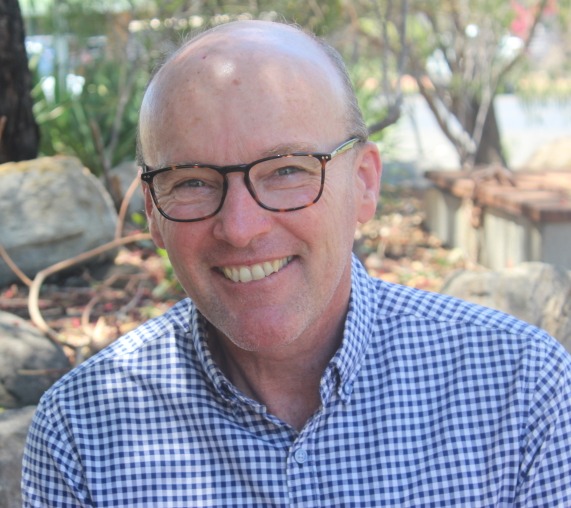
Scott has extensive business and professional experience, including over 20 years as a principal of a highly successful public accounting and financial planning firm. His passion is working with clients to improve the value of their businesses, and create a more certain future for them, their stakeholders and their families across all areas of small to medium enterprises (SME), including agricultural enterprises.
When engaged with rural families, Scott Patterson applies a proven, structured process to ensure successful succession planning that aligns with the family’s values, goals, and business needs. His approach begins with an in depth assessment, during which he works closely with the family to understand their vision, aspirations, and current challenges. Building trust and open communication is fundamental in this initial phase, enabling honest conversations about future leadership and ownership transitions.
Scott emphasises the importance of clarifying the difference between management and ownership succession. He guides families through the decision of how to transfer operational responsibilities versus legal ownership, often advocating for a tailored approach that considers business structure whether trading assets, holding assets, or a combination of both. He also helps families evaluate their existing business structures, such as trusts or companies, to optimise tax efficiencies, asset protection, and estate planning.
A key part of his process involves identifying potential successors early, providing targeted development programs, and preparing them for their future roles. Scott advocates following a systematic, step by step process beginning with goal setting, progressing through succession readiness assessments, and establishing a detailed transition plan. This plan includes addressing potential barriers, such as family conflicts or resistance to change, and establishing clear communication channels.
Throughout the process, Scott collaborates with legal, tax, and business advisors to ensure that succession strategies are compliant and optimal. He stresses the importance of regularly monitoring progress, adjusting as circumstances evolve, and planning for contingencies in the event of unexpected events.
Ultimately, Scott’s approach aims to foster a smooth transition that sustains the family’s legacy, preserves business stability, and aligns with the family’s long term vision. His methods help rural families navigate complex succession challenges with confidence and clarity, securing their future prosperity.